Parquet Flooring Nottingham
Solid and engineered wood block flooring — supplied, fitted, and restored where an original parquet floor is worth saving.
Parquet is laid as individual blocks rather than planks, which is what gives it that depth and geometry. If it's specifically the staggered zig-zag you're after, see our herringbone flooring page — it's the pattern we're asked for most.

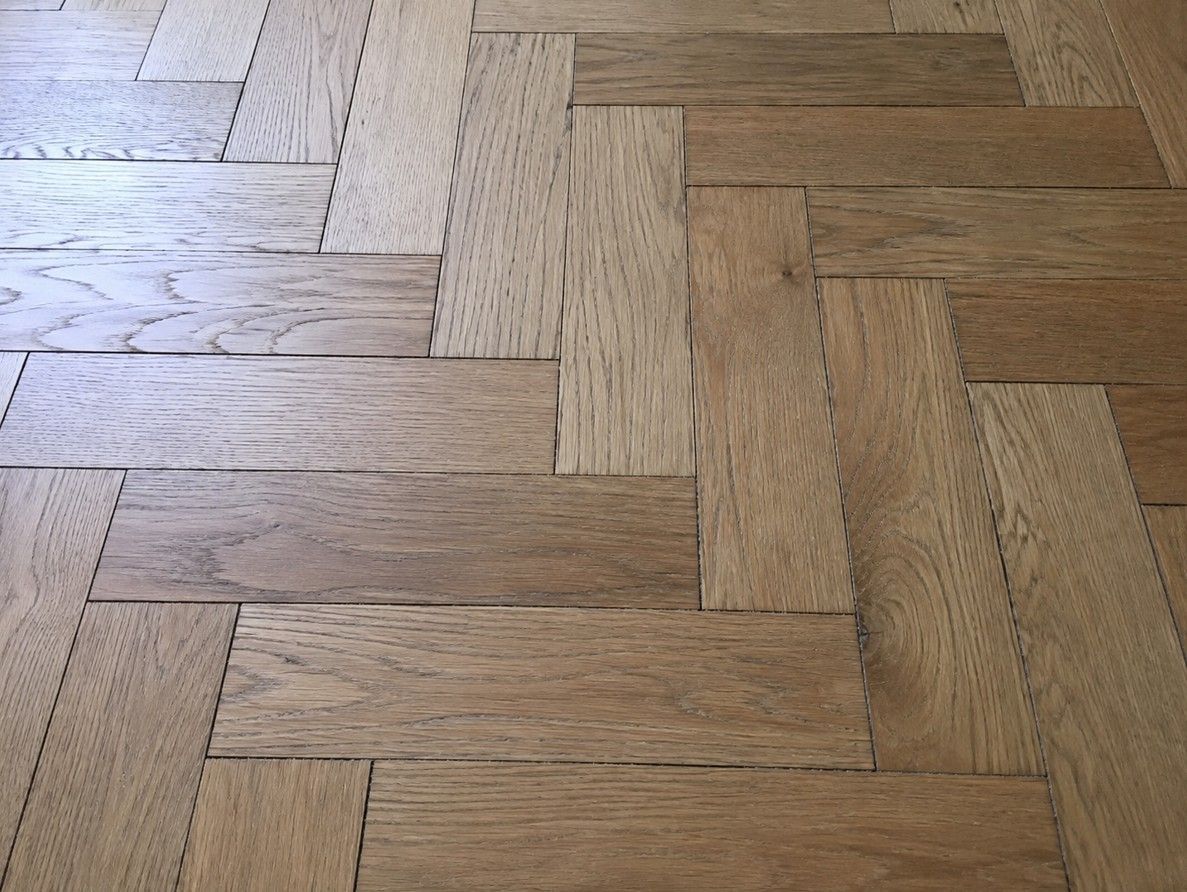
Parquet Flooring
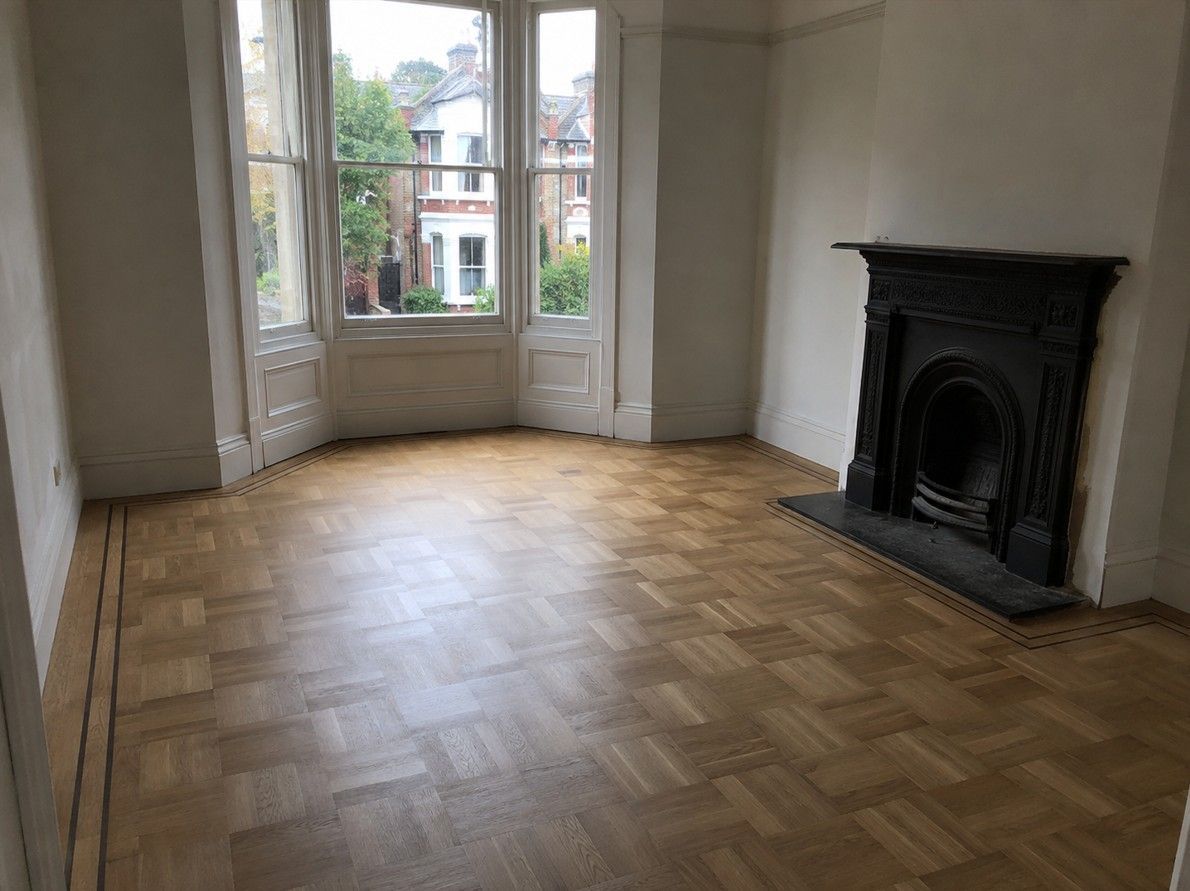
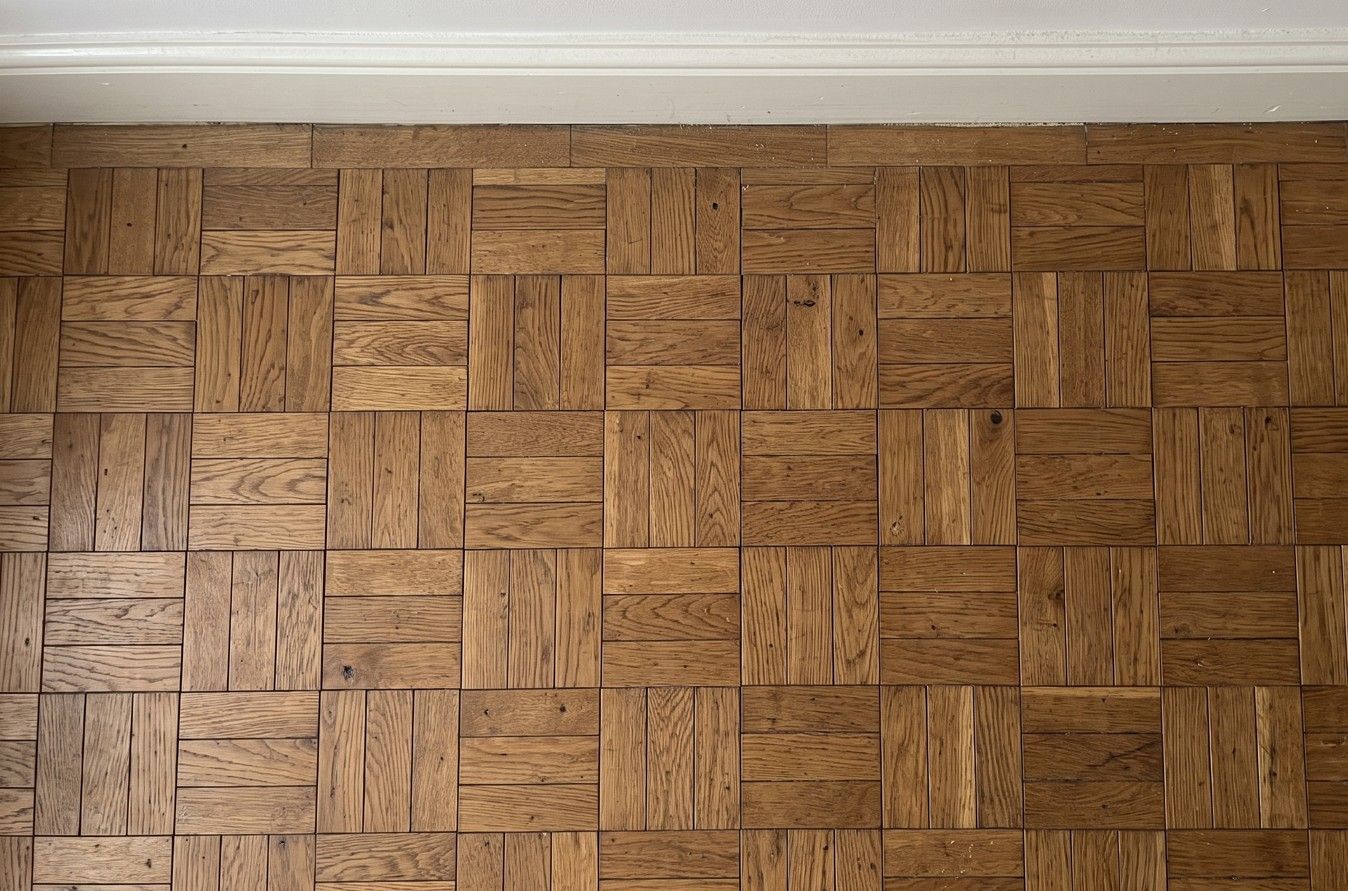
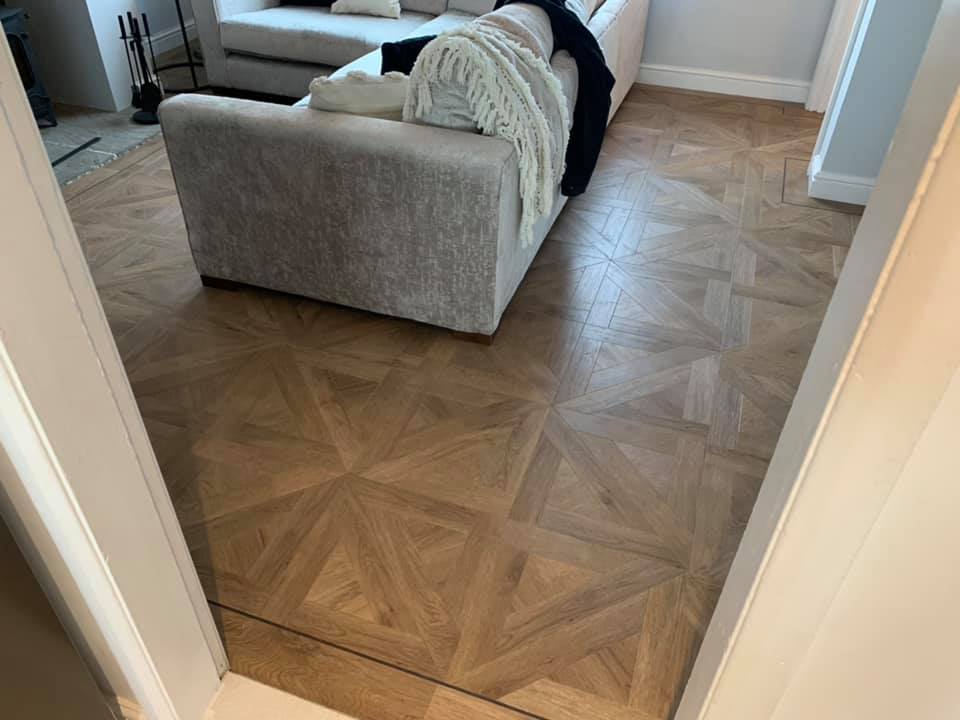
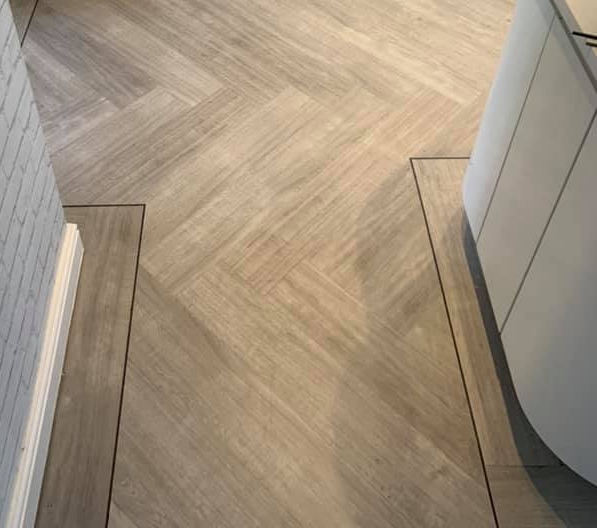
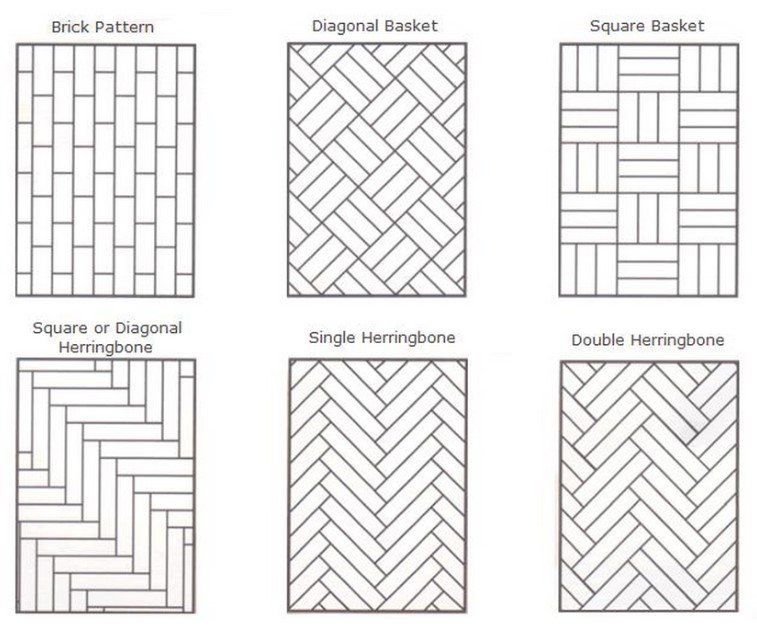
Parquet Patterns We Fit
Parquet is a category, not a single look. The pattern you choose changes the character of a room far more than the timber does.
Herringbone
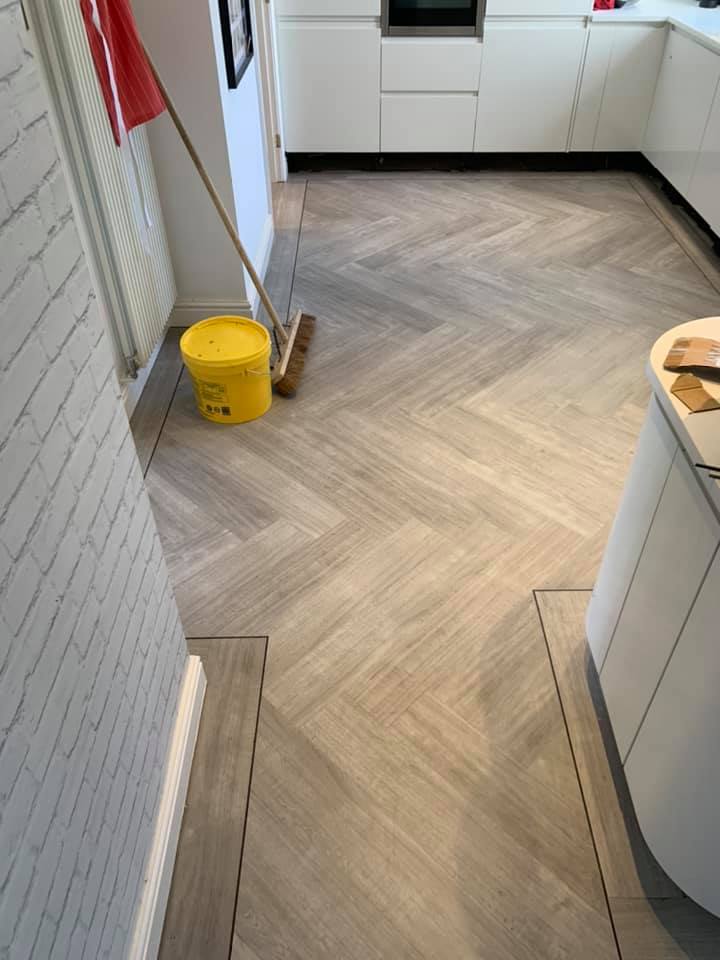
The staggered zig-zag — by far the most requested pattern
Chevron
Angle-cut blocks meeting in a continuous, unbroken V
Basket Weave
Interlocking pairs of blocks in a woven square repeat
Brick Bond
Offset blocks laid like brickwork — simpler and quieter
What Parquet Flooring Actually Is
Parquet is wood flooring made from short blocks arranged into a geometric pattern, rather than long planks running in one direction. That's the whole distinction. Because the blocks are small and laid at angles to one another, the grain catches light from several directions at once, which is why a parquet floor has a depth that plank flooring can't quite replicate.
You'll sometimes see it written as "parkay". That's simply a phonetic spelling of how the French word is pronounced — the correct spelling is parquet, and both refer to exactly the same thing. If you've been searching for parkay flooring, you're in the right place.
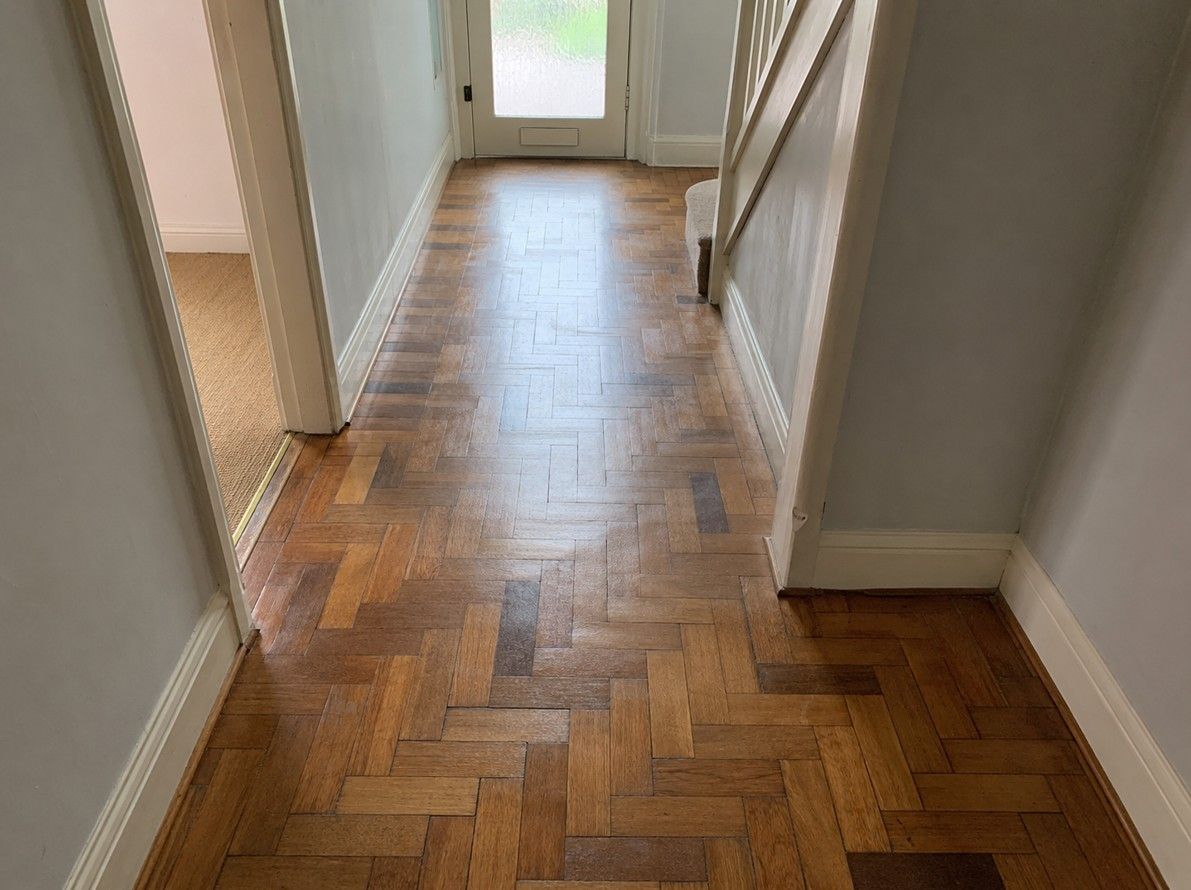
Parquet had a real moment in British homes through the 1960s and 1970s, when it went into a great many hallways and reception rooms. A large number of those floors were later covered with carpet and forgotten about — which is why we're regularly called to properties where the owner has lifted a corner of the carpet and found something rather better underneath.
Solid or Engineered Parquet?
Solid parquet blocks are single pieces of hardwood, typically oak, and are the traditional article. They can be sanded and refinished many times over, which is why original floors from the 1930s are still serviceable today. The trade-off is movement: solid wood responds to humidity, so it needs a stable environment and is generally not recommended over underfloor heating.
Engineered parquet has a genuine hardwood wear layer bonded to a stable plywood core. It looks identical once fitted, moves far less with temperature and humidity, and is the correct specification where underfloor heating is involved. Most engineered blocks will take at least one sanding, depending on the wear layer thickness — worth checking before you buy if long-term refinishing matters to you.
For most Nottingham homes we'd suggest engineered unless you're matching an existing solid floor or restoring a period property where authenticity is the point.
Restoring an Original Parquet Floor
If you've found parquet under a carpet, don't write it off because it looks tired. Original blocks are usually solid hardwood, and decades of dust, old varnish and scuffing hide a floor that often comes back beautifully once sanded and refinished. Restoration is frequently cheaper than a new floor, and the result has a character that new stock can't match.
Common problems are all fixable. Loose or lifting blocks can be re-bedded. Gaps can be closed or filled. Missing blocks can usually be matched from reclaimed stock, though an exact colour match is rarely possible and a small amount of variation is part of the look. What genuinely does write a floor off is sustained water damage or widespread rot in the subfloor beneath.
We'll give you an honest assessment either way. If a floor isn't worth restoring, we'll say so rather than take the work.
Important: Old Adhesives and Asbestos
This is the part most flooring companies won't mention, and it matters if you're thinking of lifting or sanding an old parquet floor yourself.
The wood blocks themselves are not the concern. The issue is what they were stuck down with. Parquet laid between roughly the 1950s and the 1980s was commonly bedded in a black, tar-like bitumen adhesive, and some adhesives of that era contained asbestos — its use in adhesives was not banned in the UK until the end of 1999. Thick hot-poured bitumen of the type often used under wood blocks frequently tests negative, while the thinner black mastic used under vinyl and thermoplastic tiles is more often positive. But you cannot tell by looking. Only laboratory analysis of a sample can confirm it either way.
While the floor is intact and undisturbed, the risk is minimal. The risk arises when someone sands, scrapes or grinds that adhesive to lift the floor or level the subfloor, because that's what puts fibres into the air. If your property was built or refurbished before 2000 and you're planning to disturb an old parquet floor, the sensible step is to have the adhesive sampled and tested by a UKAS-accredited laboratory first.
We're floor fitters, not asbestos surveyors, and we don't carry out licensed asbestos work. What we will do is flag it if we see something that looks like it warrants testing, and hold off until you've had it checked. It's a short delay that's considerably better than the alternative.
Where Parquet Works — and Where It Doesn't
Hallways, living rooms, dining rooms and studies are where parquet earns its cost. Larger, open spaces let the pattern read properly, and the geometry gives a room a sense of deliberate design that plank flooring doesn't.
Bathrooms and wet rooms are the obvious exception. Parquet is wood, and wood and standing water don't mix — sustained moisture will eventually cause blocks to lift, cup or separate at the joints. Kitchens sit somewhere in between: perfectly workable with sensible habits, but a risk near a dishwasher or sink.
If you want the pattern in a wet area, the answer is a parquet-effect alternative. Both LVT and porcelain floor tiles are made in convincing herringbone and block formats. They aren't wood, and up close you can tell — but they're fully waterproof, and in a bathroom that matters more than authenticity.
Herringbone Parquet
Herringbone is the pattern most people picture when they think of parquet, and it's by a distance the one we're asked for most. Because there's rather a lot to say about it — the difference from chevron, why the setting-out matters so much, and why it costs more to fit — we've given it a page of its own. See herringbone flooring in Nottingham for the full detail.
Already Bought Your Parquet? We'll Fit It
We're happy to work on a fit-only basis if you've already sourced your blocks, and the standard of fitting is identical either way. Two practical points if you're buying your own. Order generously — parquet creates more offcut waste than plank flooring because of the perimeter cutting, and topping up later usually means a different batch with a slightly different tone. And check whether the blocks are pre-finished or unfinished, since unfinished blocks need sanding and sealing after laying, which adds days to the job and needs allowing for.
Get a Parquet Flooring Quote
Book a short video call and we'll have a written supply-and-fit quote with you within 24 hours. Restoring an existing floor? Send us a few photos and we'll tell you honestly whether it's worth saving. Finance is available subject to status.
Frequently Asked Questions
What's the difference between parquet and regular wood flooring?
Parquet uses short blocks arranged in a geometric pattern; standard wood flooring uses long planks laid in one direction. Both can be solid or engineered. Parquet takes longer to fit because there are far more individual pieces to lay.
Is parkay flooring the same as parquet?
Yes. Parkay is a phonetic spelling of how the French word parquet is pronounced. They refer to exactly the same flooring. The correct spelling is parquet, but plenty of people search for parkay and mean the same thing.
I've found parquet under my carpet. Is it worth restoring?
Very often, yes. Original blocks are usually solid hardwood and sand back beautifully. Loose blocks can be re-bedded and gaps filled. Water damage or rot in the subfloor is what tends to write a floor off. Send us photos and we'll assess it.
Could the adhesive under my old parquet contain asbestos?
Possibly. Black bitumen adhesives used from the 1950s to the 1980s sometimes contained asbestos, and its use was legal in the UK until the end of 1999. Only laboratory testing can confirm. Do not sand or scrape it before it has been tested.
Can parquet flooring go in a bathroom?
We wouldn't recommend it. Parquet is wood, and sustained moisture causes blocks to lift and cup. For the same look in a bathroom or wet room, parquet-effect LVT or porcelain tiles give you the pattern with full water resistance.
Can parquet be laid over underfloor heating?
Engineered parquet works well over underfloor heating. Solid blocks generally do not, because they move too much with the heating cycle. Tell us at quote stage if underfloor heating is planned and we'll specify accordingly.
How many times can a parquet floor be sanded?
Solid blocks can be sanded many times over their life, which is why floors from the 1930s are still serviceable. Engineered parquet will usually take at least one sanding, depending on the thickness of the hardwood wear layer.
Does my subfloor need to be level for parquet?
Yes, flatter than for plank flooring. Short blocks show every dip rather than bridging it. Older suspended timber floors usually need overboarding; concrete slabs often need a levelling compound. We assess this before quoting.
Will you fit parquet I've bought myself?
Yes, to exactly the same standard. Order generously, because parquet generates more offcut waste than plank flooring. Also check whether your blocks are pre-finished or unfinished, as unfinished needs sanding and sealing after laying.
Is parquet expensive compared to other wood flooring?
It generally costs more to fit than plank flooring because there are more pieces to lay and more perimeter cutting. Material costs vary widely by timber and block size, so there's a broad range. We'll price your specific room and pattern.
Parquet Flooring Across Nottingham
We fit and restore parquet throughout Nottingham and Nottinghamshire, including Arnold, West Bridgford, Daybrook, Sherwood, Mapperley and Beeston. See all the areas we cover, or explore solid and engineered wood flooring.
Parquet Floor Fitters Nottingham
As specialist Parquet floor fitters in Nottingham we are versatile enough to offer the full range of parquet fitting styles. We've provided a few examples of different parquet floor options below: